


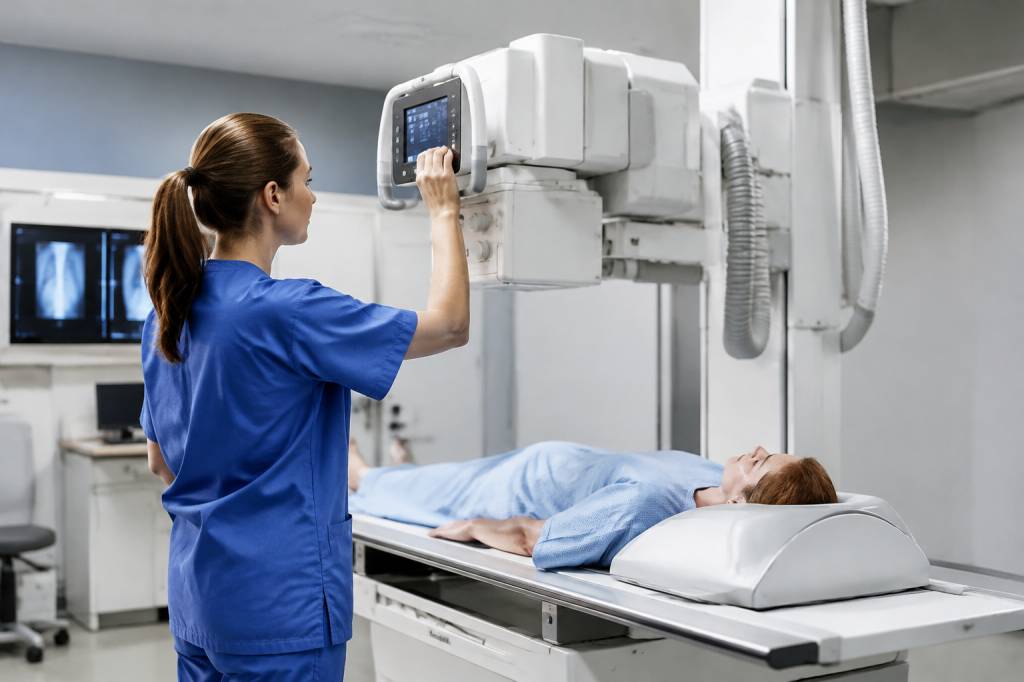
When people think about a radiographer, they may picture someone positioning a patient for an X-ray. That is part of the job—but only a small part. Modern radiographers combine clinical judgement, technical expertise and careful communication to produce useful images or deliver treatment safely. They also help patients feel informed and supported at moments that can be stressful, uncomfortable or unfamiliar.
From a busy emergency department to a specialist cancer centre, radiographers have a direct influence on patient care. Their decisions can affect the quality of a diagnosis, the safety of a procedure and the confidence a patient takes into the next stage of treatment. So what does the role involve, and what skills help radiographers protect patients in today’s healthcare settings?
More than taking images
Radiographers are registered healthcare professionals who work across several areas of medical imaging and treatment. Diagnostic radiographers use technologies such as X-ray, computed tomography (CT), magnetic resonance imaging (MRI), ultrasound and fluoroscopy to help clinicians investigate illness and injury. Therapeutic radiographers use radiation to plan and deliver treatment, most commonly for cancer.
The two roles have different clinical responsibilities, but both require precision, sound judgement and a strong focus on patient wellbeing. A radiographer must understand the purpose of an examination or treatment, choose and use equipment appropriately, and check that the patient is safe throughout the process.
That means the work begins before a machine is switched on. The radiographer reviews the request, checks relevant information, identifies potential risks and explains what will happen. After the examination, they make sure the images or treatment records meet the required standard and are available to the wider clinical team.
Radiographers do not simply press a button and hope for the best. They make decisions in real time—often while balancing image quality, patient comfort, clinical urgency and safety.
Core responsibilities in modern healthcare
A radiographer’s daily responsibilities vary by department and specialty, but commonly include:
-
Checking the clinical request and confirming that the examination or treatment is appropriate and clearly understood.
-
Identifying the patient correctly and confirming relevant details, such as the body part to be examined and any important health information.
-
Explaining the procedure in accessible language and responding to questions before, during and after it.
-
Positioning the patient and selecting suitable equipment settings or treatment parameters.
-
Monitoring the patient for signs of discomfort, distress or a change in condition.
-
Following radiation protection, infection prevention and equipment safety procedures.
-
Recording accurate information and sharing relevant concerns with the appropriate clinical colleagues.
Good practice also means recognising when a routine plan needs to change. A patient may be unable to lie flat, hold their breath or stay still. They may have a mobility difficulty, a communication need or a medical device that affects positioning. A skilled radiographer adapts where possible, seeks support when needed and avoids treating every appointment as a standard case.
Patient safety starts with the right checks
Many imaging examinations use ionising radiation, including X-rays and CT scans. Radiation can be valuable when an examination is clinically justified, but exposure should be managed carefully. In the UK, the Ionising Radiation (Medical Exposure) Regulations (IR(ME)R) set requirements for medical exposures. Local procedures and professional responsibilities help ensure that exposures are justified, appropriately authorised and optimised.
In practical terms, the radiographer checks that the examination matches the request and the patient, follows the relevant protocol, and uses techniques designed to produce images of diagnostic quality without unnecessary exposure. This is not a case of simply using “the lowest dose possible” regardless of the result. An image that cannot answer the clinical question may need to be repeated, creating more exposure and delaying care. The aim is to achieve the required clinical information with exposure kept as low as reasonably practicable.
Patient identification is another essential safeguard. A calm, consistent check—using the required identifiers and confirming the examination—can prevent a serious wrong-patient or wrong-site error. In a noisy department, a name called across a waiting room is not a substitute for proper identification.
Radiographers also need to consider pregnancy where relevant to the examination and follow local policy and professional guidance. They should ask appropriate questions sensitively, explain why the information matters and escalate uncertainty rather than making assumptions. A patient should never feel blamed for raising a concern or asking for clarification.
Different technologies, different safety considerations
Each imaging environment brings its own hazards. In MRI, the powerful magnetic field can make certain objects and devices unsafe. Screening must be thorough and follow the department’s procedures; a quick glance at a patient’s pockets is not enough. Staff also need to understand how to respond if a patient becomes distressed or if an emergency occurs in or near the scanner.
CT and other X-ray procedures require careful radiation protection and attention to positioning. In interventional imaging, radiographers may work alongside clinicians during procedures that use continuous or repeated imaging. Time, distance, shielding, equipment settings and monitoring all matter. The exact controls depend on the procedure, the equipment and local rules.
Across all settings, infection prevention is part of safe imaging. Equipment and surfaces may need cleaning between patients, and staff must use appropriate protective measures for the task. These controls protect patients and colleagues alike—especially when departments are working at pace.
There are also everyday physical risks. Helping a patient transfer onto a table or holding an awkward position can strain staff and patients if it is not planned well. Radiographers should use suitable moving and handling techniques, ask for assistance and make use of aids where available. “I can manage on my own” is not always the safest plan, however experienced the person saying it may be.
Communication is a clinical skill
Patients may arrive anxious, in pain, confused or worried about what an examination could reveal. Some may have learning disabilities, sensory impairment, limited English, dementia or previous trauma that makes certain procedures difficult. Clear, respectful communication helps radiographers understand what a patient needs and helps patients take part in their care.
A useful explanation is specific and proportionate: what the examination involves, how long it is likely to take, whether the patient needs to stay still or hold their breath, and what sensations they might notice. For an MRI scan, for example, explaining the noise and offering hearing protection can make the experience less unsettling. For a patient who is claustrophobic, discussing options before the scan begins may prevent distress later.
Consent and cooperation should not be treated as a formality. Patients need an opportunity to ask questions and express concerns. If a patient cannot tolerate a procedure, the radiographer should assess the situation, communicate with the team and consider appropriate alternatives or support. Rushing through an explanation to save a minute can create a much longer delay if the patient becomes distressed or the images are unusable.
Small adjustments can make a meaningful difference: using plain language, checking understanding, allowing extra time, arranging an interpreter or involving a carer when appropriate and with the patient’s agreement. The best approach is to ask rather than guess.
Technical judgement and image quality
Producing a useful image takes more than familiarity with equipment. Radiographers need to understand anatomy, pathology, imaging principles and the reasons behind clinical requests. They must choose suitable views and techniques, position patients accurately and recognise when an image may not answer the question.
Consider a patient who has fallen and is in significant pain. The standard position may be difficult or unsafe. The radiographer must weigh the clinical need against the patient’s ability to move, adapt the approach where appropriate and communicate with the referring team if the examination cannot be completed as planned. Technical skill matters, but so does knowing when not to push ahead.
Image quality is also a safety issue. An avoidable repeat can mean additional radiation, discomfort and delay. At the same time, a poor-quality image should not be accepted simply to avoid repeating it if it cannot support clinical decision-making. Radiographers use their training and local protocols to judge whether the result is adequate and what action is needed.
Teamwork, records and speaking up
Radiographers work closely with radiologists, oncologists, nurses, doctors, healthcare assistants, medical physicists and other professionals. They may be among the first staff to notice that a patient’s condition has changed or that the information on a request does not match what the patient says. Sharing that concern promptly can help prevent harm.
Clear documentation supports continuity of care. Records may include the examination performed, relevant checks, technical details and any incident or difficulty that needs follow-up. Accurate records help colleagues understand what happened and support service review. They should be factual, timely and completed in line with local policy.
A strong safety culture also depends on staff feeling able to speak up. If equipment appears faulty, a safety check is incomplete or a patient’s identity is uncertain, the right response is to pause and raise the issue. That may feel awkward in a busy department, but a brief pause is preferable to a preventable error. Good teams treat questions as a safeguard, not an inconvenience.
Skills for an evolving profession
Healthcare technology is changing quickly. Digital imaging systems, advanced treatment planning and artificial intelligence tools are influencing how services operate. These developments can support efficiency and clinical decision-making, but they do not remove the need for professional oversight. Radiographers must understand the tools they use, recognise their limitations and follow governance arrangements for new technology.
Alongside technical knowledge, modern radiographers need skills that are sometimes less visible but just as important:
-
Attention to detail, particularly during identification, screening and equipment checks.
-
Adaptability when a patient’s needs or clinical circumstances change.
-
Empathy and clear communication with people from a wide range of backgrounds.
-
Confidence to question unclear requests, report hazards and escalate concerns.
-
Commitment to continuing professional development and reflective practice.
-
Teamwork, especially in high-pressure settings where information must be shared quickly.
These skills are developed through education, supervised practice, ongoing learning and experience. They are also strengthened by supportive workplaces that provide effective training, maintained equipment, clear procedures and time to raise concerns.
What healthcare organisations can do
Radiographers carry significant responsibility, but safe care is never an individual achievement alone. Employers can support safer practice by maintaining equipment, reviewing protocols, providing appropriate staffing and ensuring that staff can access training and guidance. They should also encourage incident reporting and use it to improve systems rather than simply assign blame.
Practical improvements often begin with listening to frontline staff. Are MRI screening processes clear? Is there enough space to transfer patients safely? Can staff access interpreters when needed? Are cleaning responsibilities understood between teams? These questions may sound basic, but reliable answers help turn safety policies into everyday practice.
When departments make it easy to follow the safe process, staff are better placed to give patients consistent, respectful care. That benefits everyone: patients, colleagues and the service as a whole.
Why the radiographer’s role matters
Radiographers bring together science, judgement and human connection. They help clinicians see what may otherwise remain hidden, deliver complex treatments and guide patients through unfamiliar experiences. Their work is safest and most effective when technical standards are matched by thoughtful communication, careful checks and a willingness to speak up.
For healthcare teams and employers, recognising the full scope of the radiographer’s role is an important step towards better patient safety. For patients, a capable radiographer may be the person who explains the scan, notices a concern and makes a difficult appointment feel manageable. That is a substantial contribution—and considerably more than pressing a button.